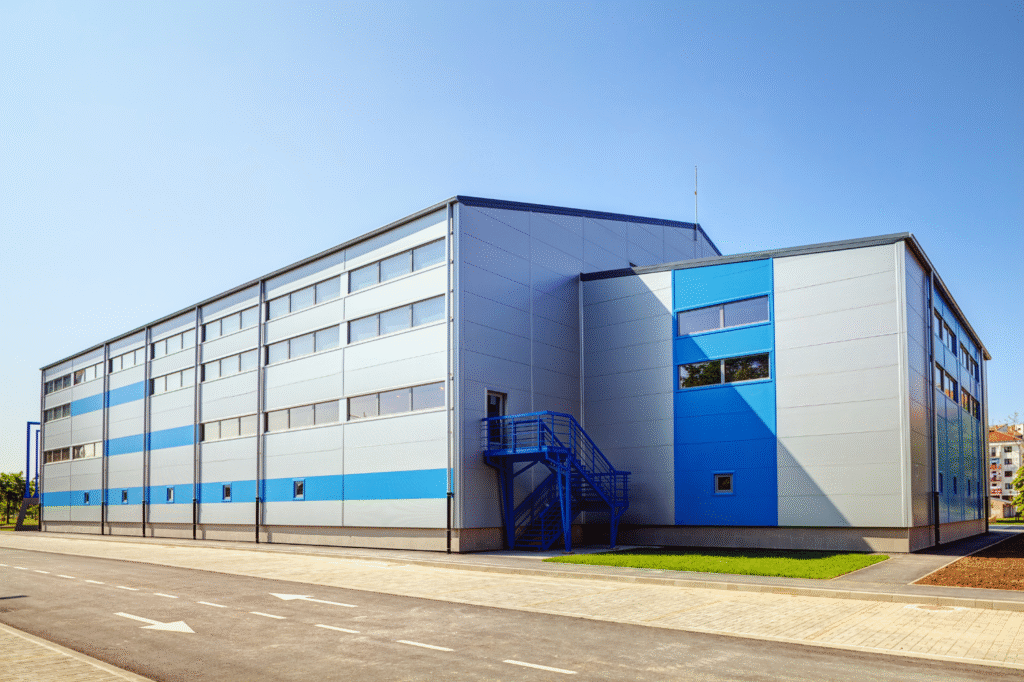
Businesses and investors often look for industrial properties when they need long term operational stability and dependable asset value. A search for industrial buildings for sale near me usually reflects a serious intent to acquire space that supports manufacturing, storage, logistics or distribution activities. Industrial real estate is closely tied to economic infrastructure. Which makes it less vulnerable to short term market shifts.
Local industrial properties allow buyers to evaluate demand, access routes, and compliance requirements more clearly. This familiarity helps reduce uncertainty and supports better investment decisions, especially for assets meant to be held and used over extended periods.
Request Call Back
Understanding the Role of Industrial Buildings
Industrial buildings are designed to support operational efficiency rather than visual appeal. These properties focus on space utility, movement flow, and structural strength. Their purpose is to enable production, storage, assembly, or large scale handling of goods.
Typical industrial uses include manufacturing plants, warehouses, logistics facilities, and processing units. Unlike office or retail spaces, industrial buildings are customized around machinery, inventory systems, and workflow requirements.
From an ownership perspective, these properties often attract tenants who depend heavily on the space configuration. This dependency creates longer occupancy periods and improves income reliability.
Why Industrial Properties Are Considered Reliable Assets
Industrial real estate has gained attention because of its functional importance in business operations. Companies operating from industrial spaces invest significant resources into setup, equipment installation, and process alignment. Moving such operations is expensive and disruptive.
As a result, tenants usually commit to longer lease durations. This provides owners with predictable rental income and reduces vacancy related risk. Industrial tenants also tend to be less sensitive to aesthetic upgrades, which keeps maintenance costs manageable.
Another factor contributing to stability is demand consistency. As long as goods are produced, stored, and distributed, industrial space remains necessary.
Location Influence on Industrial Property Performance
Location plays a defining role in industrial property success. Buyers often prioritize properties with easy access to transportation networks and supply routes.
Proximity to highways, freight corridors, ports, or rail lines improves operational efficiency for tenants. Availability of skilled labor and nearby industrial clusters also supports sustained demand.
Local buyers have the advantage of understanding traffic patterns, infrastructure plans, and regional development activity. This insight helps identify properties with long term relevance rather than short lived demand.
Common Types of Industrial Properties
Industrial real estate includes several categories, each serving different operational needs.
Warehouses are used primarily for storage and inventory handling. They are commonly occupied by logistics providers, wholesalers, and distribution companies. Manufacturing facilities support production processes and often require higher power capacity and specialized layouts.
Distribution centers focus on rapid movement of goods and are strategically placed near transport routes. Flex industrial spaces combine light industrial use with office components, making them suitable for technology driven or research oriented operations.
Choosing the right type depends on tenant demand, usage flexibility, and investment strategy.
Evaluating Physical Characteristics Before Purchase
A detailed assessment of the building itself is essential before acquiring an industrial property.
Structural Design and Load Capacity
Industrial operations place heavy demands on building structure. Floor load limits, ceiling height, column spacing, and vehicle access must support equipment and storage systems.
Loading docks, entry points, and internal circulation directly affect efficiency. Buildings with adaptable layouts are more attractive to a wider tenant base.
Utilities and Operational Infrastructure
Reliable power supply, proper ventilation, fire safety systems, and drainage are critical for industrial use. Inadequate utilities can limit tenant activity or require costly upgrades.
A technical inspection helps identify potential limitations and long term maintenance needs.
Zoning and Regulatory Considerations
Industrial properties are subject to strict zoning and environmental regulations. Buyers must confirm that the property is approved for the intended industrial use.
Restrictions related to noise, emissions, storage materials, or operating hours can impact tenant suitability. Environmental clearances and occupancy approvals should be verified early in the process.
Clear regulatory compliance protects buyers from operational disruptions and legal risks after acquisition.
Financial Aspects of Industrial Property Ownership
Industrial buildings are valued for their income consistency and cost efficiency.
Rental income depends on location, building specifications, and market demand. Many lease agreements include periodic rent adjustments, which help preserve income value over time.
Operating expenses are often lower than other commercial property types. In many cases, tenants handle internal maintenance, utilities, and insurance, improving net operating income.
Property value growth is influenced by infrastructure expansion, industrial development, and economic activity in the surrounding area.
Lease Structure and Tenant Stability
Tenant reliability is a major factor in industrial investment performance.
Industrial leases are typically longer term due to the cost and complexity of operational relocation. Lease agreements should clearly define responsibilities for maintenance, rent escalation, and exit conditions.
Stable tenants simplify cash flow planning and reduce management effort. Reviewing tenant business health and industry outlook adds an extra layer of risk control.
Financing Options for Industrial Properties
Most industrial acquisitions involve commercial financing solutions. Lenders assess location quality, income potential, and borrower credentials before approval.
Commercial loans usually require higher upfront investment compared to residential properties. However, stable rental income supports predictable repayment.
Some investors combine financing with equity to balance risk and expand portfolios strategically. Financial discipline plays an important role in sustaining long term returns.
Market Drivers Supporting Industrial Space Demand
Industrial real estate demand is closely linked to supply chain activity and production trends.
Growth in logistics and regional distribution has increased the need for storage and fulfillment facilities. Manufacturing diversification has created demand for flexible industrial setups closer to consumer markets.
Sectors such as pharmaceuticals, food processing, electronics, and clean energy rely on specialized industrial facilities, which supports long term occupancy.
Properties aligned with these industries tend to perform consistently.
Importance of Professional Property Management
Effective management enhances asset performance and tenant satisfaction.
Timely maintenance, clear communication, and reliable infrastructure are essential for industrial tenants. Operational disruptions directly impact business continuity.
Strategic improvements such as energy efficiency upgrades, security enhancements, and access improvements increase property appeal and rental strength.
Good management ensures the property remains competitive as industrial needs evolve.
Understanding Local Buyer Intent
Search behavior related to nearby industrial properties usually indicates readiness to evaluate real opportunities. These buyers may be planning expansion, relocation, or long term asset acquisition.
Educational and transparent information helps buyers understand compliance requirements, cost structures, and operational factors. This builds trust and positions service providers as knowledgeable partners.
Clear guidance naturally supports lead generation by addressing real buyer concerns.
Schedule Your Virtual Meeting
Risks to Account for in Industrial Investments
Industrial real estate requires careful planning to avoid common pitfalls.
Ignoring zoning limitations can restrict tenant usage. Underestimating infrastructure upgrades can affect budgets. Assuming demand without market validation can lead to extended vacancies.
Professional inspections, legal verification, and market analysis reduce uncertainty and improve investment outcomes.
Long Term Outlook for Industrial Property Ownership
Industrial properties continue to support essential economic functions. Their role in production, storage, and distribution ensures ongoing relevance.
Local industrial investments benefit from market familiarity and operational control. With proper evaluation and management, these assets can deliver steady income, controlled risk, and long term value aligned with business growth and economic demand.